
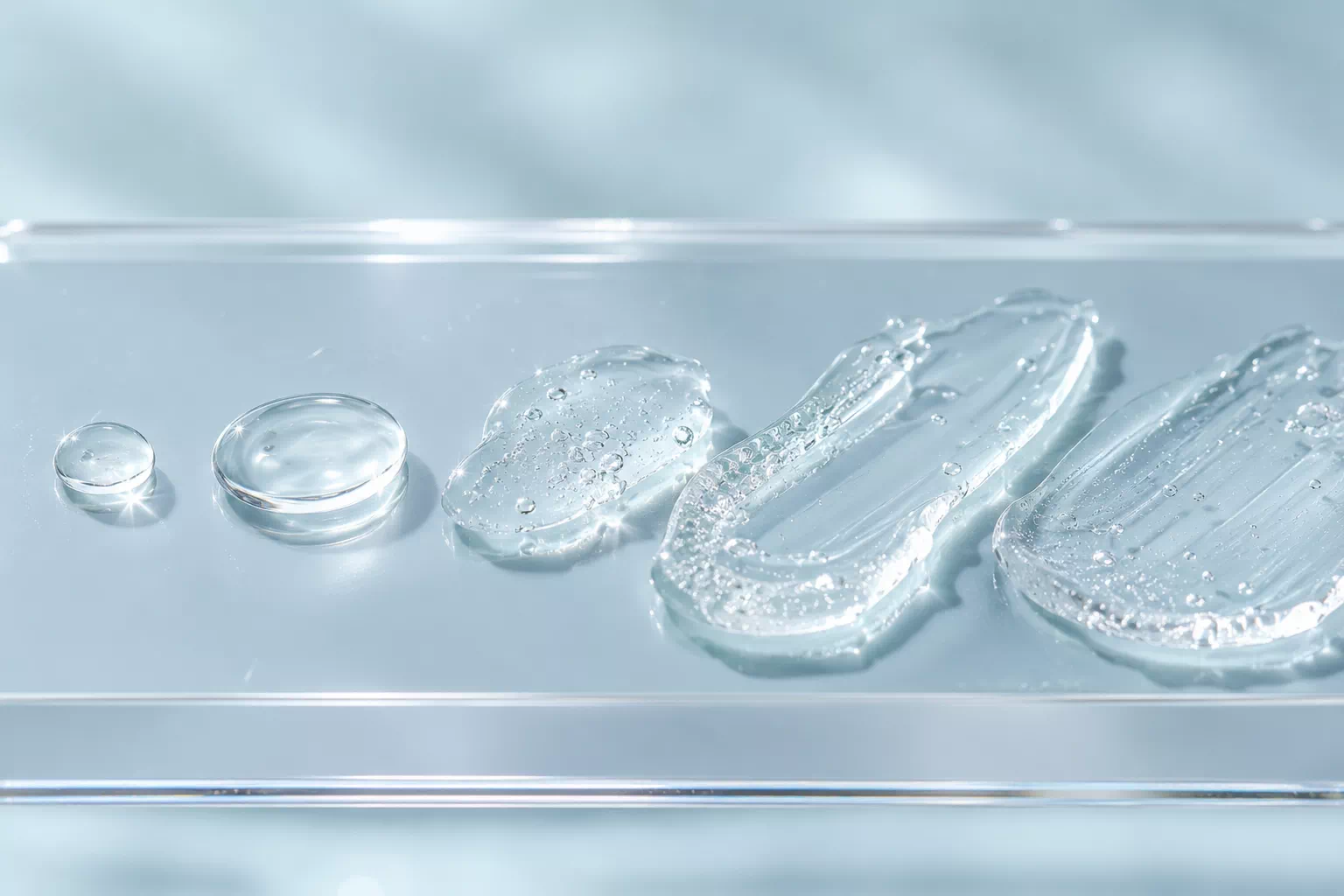
As summer temperatures peak, a frustrating paradox plagues skincare enthusiasts: a face that feels simultaneously greasy on the surface yet desperately tight and parched underneath. Standard heavy creams only suffocate the skin, trapping heat and sweat. To truly rescue dry, compromised cells, the beauty community has turned to a high-exposure layering technique known as the skin flooding routine.
However, to make this work without triggering breakouts, you must move past social media aesthetics and look at the molecular biology of cellular hydration. By strategically stacking humectants based on molecular weight and skin permeability, you can flood your extracellular matrix and restore a plump, glassy complexion from the inside out.
1. The Problem: Why Summer Dehydration Desensitizes Your Skin Barrier
During hot weather, trans-epidermal water loss (TEWL) accelerates rapidly due to constant exposure to dry air conditioning and high ambient heat. When the skin loses water, several micro-physiological breakdowns occur:
- Desmoglein-1 Deactivation: This enzyme, responsible for shedding dead skin cells, requires a hydrated environment to function. Without adequate water, dead skin cells build up, creating a dull texture that blocks active ingredients.
- Aquaporin Channel Collapse: Dehydration causes your skin’s microscopic water channels to downregulate, trapping moisture outside the cells where it easily evaporates.
- The Compensatory Sebum Spike: When your skin detects a severe drop in moisture, it signals your sebaceous glands to produce excess sebum as a protective shield, leading to the “dehydrated-oily skin” cycle.
2. The Explanation: The Biophysics of the Skin Flooding Routine
To solve this, we utilize the principles of osmotic pressure and molecular weight. A successful skin flooding routine is not about applying random products; it is a meticulous, step-by-step saturation process. Stacking must strictly proceed from the thinnest, lowest molecular weight humectants to the thickest sealants.
In my own clinical observations of clients transitioning their routines for the summer of 2026, I have consistently noted that simply increasing the volume of a single hyaluronic acid serum does not yield the same cellular plumpness as layering chemically distinct humectants. We must focus on osmoprotection—retaining cellular water volume rather than simple occlusion.
The Pinch-and-Release Hydration Test
A simple way to test if you are suffering from deep cellular dehydration at home is to gently pinch the skin on your cheekbones and hold for two seconds. If the skin takes more than a fraction of a second to bounce back to its original state, or if you notice fine, crepey lines appearing horizontally under light pressure, your cellular water levels are critically low.
3. The Solution: A Scientific Hydration Stack for Summer
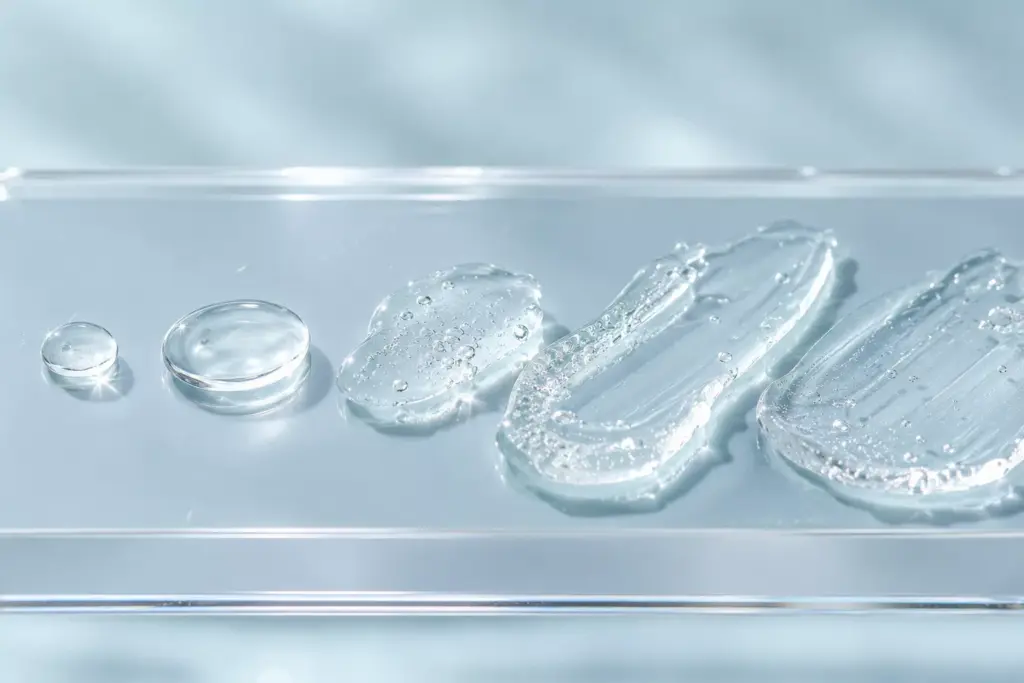
To safely flood your skin without clogging pores, implement this biologically optimized daily stack.
| Stacking Step | Target Layer | Key Humectant | Cellular Action |
| Phase 1: Aquaporin Activation | Deep Epidermis | Beta-Glucan & Glycerin | Opens micro-water channels; retains 20% more moisture |
| Phase 2: Multi-Depth Saturation | Mid-Epidermis | Multi-Weight Hyaluronic Acid | Hydrates intercellular spaces; plumps epidermal volume |
| Phase 3: Breathable Seal | Stratum Corneum | Polyglutamic Acid & Ceramides | Creates a non-comedogenic mesh to lock in moisture |
Step 1: Deep Saturation with Beta-Glucan
Always start your routine on damp skin. Beta-glucan is a yeast-derived sugar that penetrates deeper than traditional hyaluronic acid, offering superior soothing benefits while opening up aquaporin channels.
Step 2: Multi-Depth Plumping
Apply a serum containing multi-weight Hyaluronic Acid. Low-molecular-weight HA travels deeper to hydrate the lower epidermal layers, while high-molecular-weight HA sits on the surface, drawing ambient moisture inward.
Step 3: Locking It In
To prevent evaporation, use a lightweight gel-cream containing Polyglutamic Acid (PGA) and Phytoceramides. This creates a microscopic, breathable film that secures the hydration stack beneath without creating a heavy, heat-trapping layer.
Fine-Tuning the Stack for Your Skin Type
- For Oily & Acne-Prone Skin: Skip the final oil-based ceramides. Instead, opt for a pure water-gel cream containing only Polyglutamic Acid (PGA) to seal the hydration stack without adding excess lipids that could trigger sebum congestion.
- For Dry & Sensitized Skin: Lightly mist your face with a fragrance-free hydrating toner between every single layer of the stack. This ensures the high-molecular-weight humectants have an external water source to pull from, rather than drawing moisture from your deep tissue.
4. Critical Mistakes to Avoid
- Applying on Dry Skin: Humectants are moisture magnets. If you apply serum on dry skin in a dry room, it will pull moisture out of your deeper layers. Always mist with water or a green tea toner between every single layer.
- Overlooking Cleansing: Stacking layers over a buildup of sebum and SPF will trap bacteria. Ensure you use a gentle, pH-balanced double cleansing method at night before starting your hydration stack.
Frequently Asked Questions (FAQ)
Q1: Can oily, acne-prone skin do a skin flooding routine?
A. Absolutely. In fact, oily skin often overproduces oil because it is deeply dehydrated underneath. By flooding the skin with pure, oil-free humectants (like glycerin and beta-glucan) and skipping heavy lipids, you balance the water-to-oil ratio, which naturally reduces excess sebum and calms inflammatory acne.
Q2: How often should I perform this hydration stack?
A. For most skin types, doing this routine once a day—preferably in your evening skincare regimen—is ideal. This allows your skin to absorb the deep hydration overnight without interfering with your daytime makeup or water-resistant sunscreen application.
Clinical Proof & Medical Disclaimer
According to recent clinical investigations analyzing epidermal moisture dynamics, structured sequential layering of humectants with different molecular sizes significantly optimizes stratum corneum hydration and repairs broken skin barrier components far better than single-dose heavy creams. Therefore, maintaining a dedicated barrier-fortifying regimen is vital.
Medical Disclaimer: The information provided in this article is for educational purposes only. It is not intended to be a substitute for professional medical advice, diagnosis, or treatment. Always seek the advice of your dermatologist.