

When we chase after that luminous, airbrushed glass skin, it is incredibly easy to get carried away by high-strength actives. We slather on potent vitamin C serums in the morning and layer strong retinoids at night, hoping for instant transformations. However, when done without a strategic blueprint, over-exfoliation and aggressive ingredient pairing can strip away the very foundation of healthy skin. Before you know it, your face feels tight, looks red, and stings whenever you apply even the most basic moisturizer.
If this sounds familiar, you are likely dealing with a compromised moisture shield. Understanding how to repair skin barrier function is the absolute first step toward reclaiming your skin’s health.
Here at keditbeauty, we treat skin health as a precise science. Your skin is not just a surface; it is a highly sophisticated, protective living ecosystem. In this guide, we will dive deep into the biological mechanics of your moisture shield, identify the subtle damaged skin barrier signs, and explore the clinically proven ceramide cream benefits that will nurse your complexion back to its ultimate, resilient glow.
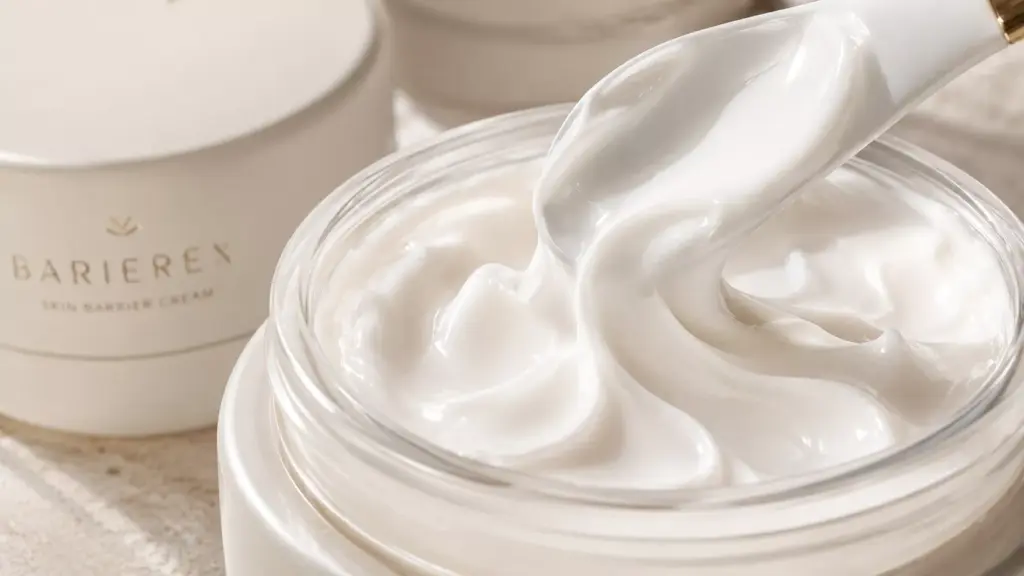
1. The Biology of Your Moisture Shield: What is the Skin Barrier?
To effectively heal your skin, you must first understand its anatomical structure. The outermost layer of your epidermis is called the stratum corneum, often described by dermatologists through the classic “bricks and mortar” model.
The Bricks and Mortar Model
In this biological analogy, your skin cells (corneocytes) act as the sturdy protective bricks. The “mortar” that binds these cells securely together is a dense, highly organized intercellular lipid matrix. This matrix is naturally composed of three essential lipids:
- Ceramides (about 50%)
- Cholesterol (about 25%)
- Free Fatty Acids (about 15%)
When this lipid matrix is perfectly balanced, it seals in essential moisture and prevents transepidermal water loss (TEWL). Simultaneously, it acts as a robust shield, blocking environmental pollutants, harmful bacteria, and irritants from penetrating into the deeper layers of the dermis.
Recognizing the Damaged Skin Barrier Signs
When you overuse harsh chemical exfoliants or aggressively mix active ingredients—a mistake we deeply analyzed in our guide on why mixing retinol and vitamin c together requires strict timing—the lipid mortar washes away. The bricks loosen, creating microscopic gaps in your skin’s defense.
According to clinical dermatology guidelines, the most prominent damaged skin barrier signs include persistent redness, chronic dehydration where your skin feels oily yet tight, rough flaking, and a sudden hypersensitivity to basic products. When these red flags appear, your immediate priority must shift toward learning how to repair skin barrier function rather than forcing more active ingredients onto a sensitized canvas.
2. Clinical Data and the Science Behind How to Repair Skin Barrier Fast
Once your moisture shield is compromised, your skin loses its ability to self-heal efficiently without structural reinforcement. This is where topical ceramides become non-negotiable.
Why Standard Moisturizers Aren’t Enough
Many traditional lotions simply sit on top of the skin, creating a temporary artificial film (occlusion) that vanishes the moment you wash your face. To trigger true cellular repair, you must supply the skin with the exact bio-identical lipids it has lost. Topical ceramides mimic the natural lipids in your stratum corneum. When applied, they physically insert themselves into the microscopic gaps of the damaged intercellular matrix, effectively patching up the holes in your skin’s defensive wall.
The Clinically Proven Ceramide Cream Benefits
Investing in a well-formulated lipid treatment yields profound structural improvements. According to clinical data published by the National Institutes of Health (NIH), topical barrier repair formulations containing physiological lipids can reduce transepidermal water loss (TEWL) by up to 40% within the first 48 hours of application, significantly jumpstarting the skin’s natural recovery rate. To explore the deeper biochemical parameters of lipid synthesis and cellular recovery, you can review the official medical studies on Skin Barrier Management and Lipid Repair Processes by the National Institutes of Health which outlines these recovery timelines.
Key ceramide cream benefits include a rapid reduction in TEWL, immediate soothing of micro-inflammation, and a massive boost in overall skin resilience. A ceramide-rich foundation thickens the stratum corneum, allowing your skin to tolerate powerful anti-aging ingredients far better in the future.
3. The 3-Step Restorative Routine to Heal Your Skin
If you are displaying signs of barrier distress, you must immediately halt all active ingredients (Vitamin C, Retinol, AHA/BHA) and switch to a strict, minimalist restorative routine for at least 14 to 21 days—the natural duration of a skin cell turnover cycle.
[THE EMERGENCY BARRIER REPAIR ROUTINE]
Morning (AM) Routine:
- Step 1: Lukewarm Water Rinse (Skip cleanser to protect natural lipids)
- Step 2: Hydrating Panthenol Essence (Soothing hydration layer)
- Step 3: Ceramide Barrier Cream (Apply generously while skin is slightly damp)
- Step 4: Mineral Sunscreen (Zinc Oxide-based SPF 30+ to reflect UV safely)
Nighttime (PM) Routine:
- Step 1: Milk or Cream Cleanser (Ultra-gentle, non-foaming formula)
- Step 2: Hydrating Toner (Layered twice for deep cellular plumping)
- Step 3: The Lipid Sandwich (Apply ceramide cream, let absorb, add a thin second layer)
Step 1: Eliminate Foaming Surfactants
Traditional foaming cleansers rely on harsh surfactants like Sodium Lauryl Sulfate (SLS) which strip away the delicate lipid matrix. Switch exclusively to a low-pH, non-foaming milk or cream cleanser. In the morning, try skipping cleanser entirely and rinsing with lukewarm water to preserve the overnight lipid renewal while you are actively mastering how to repair skin barrier tissues.
Step 2: Flood the Skin with Humectants
Before applying your heavy barrier creams, saturate the skin with soothing humectants. Look for watery toners or essences rich in Glycerin, Hyaluronic Acid, Panthenol (Vitamin B5), and Centella Asiatica. These ingredients bind water molecules to the parched corneocytes, preparing the skin texture to lock in the upcoming lipids.
Step 3: Apply a 3:1:1 Ratio Ceramide Cream
To unlock the maximum benefits of your recovery phase, the formulation of your moisturizer matters tremendously. Look for creams that explicitly state they utilize a 3:1:1 golden ratio of Ceramides, Cholesterol, and Fatty Acids. Studies show that applying these three lipids in this precise physiological ratio speeds up barrier recovery up to three times faster than applying ceramides alone. When scanning the ingredient list of your barrier cream, ensure it is free from denatured alcohol and synthetic fragrances, as these hidden irritants can cause micro-tears in an already vulnerable moisture shield.

Conclusion: Honor the Healing Cycle
Repairing a damaged moisture shield requires discipline, patience, and a temporary departure from the allure of aggressive brightening and anti-aging trends. Your skin barrier did not break overnight, and it will not heal overnight. However, by listening to the distinct damaged skin barrier signs, stripping your routine down to the essentials, and consistently applying these methods on how to repair skin barrier damage, you give your skin the exact biological tools it needs to rebuild. Trust the scientific process, keep your skin deeply hydrated, and prioritize protection over perfection. A resilient, naturally glowing complexion is waiting for you on the other side.
FAQ (Frequently Asked Questions)
Q1. How long does it realistically take to fully repair a damaged skin barrier?
A. For a mild case of over-exfoliation, you can expect your skin barrier to feel significantly calmer within 7 to 14 days of a strict minimalist routine. However, if your barrier has been chronically damaged over several months due to incorrect product layering, true structural repair at the cellular level can take anywhere from 4 to 6 weeks. This timeline aligns with the natural 28-day skin cell renewal cycle, which slows down as we enter our late 20s and 30s. Do not reintroduce any active ingredients until your skin can handle a basic moisturizer completely sting-free for at least one full week.
Q2. Can I use Hyaluronic Acid while trying to figure out how to repair skin barrier damage?
A. Yes, hyaluronic acid is an excellent humectant to use during your recovery phase, but it must be applied correctly to avoid worsening dryness. Because hyaluronic acid draws moisture from its surroundings, applying it onto bone-dry skin in a dry room will cause it to pull moisture out from the deeper layers of your dermis, worsening internal tightness. Always apply your hyaluronic acid serum onto slightly damp skin immediately after washing your face, and immediately seal it in with a generous layer of a ceramide-dominant cream to lock that moisture in place.
Q3. Is it normal to break out slightly while using a rich barrier cream?
A. When your barrier is damaged, your skin’s surface is highly inflamed, which can naturally trigger temporary micro-comedones or small whiteheads as the skin purges trapped impurities. However, to prevent heavy clogging, ensure your ceramide cream is labeled as “non-comedogenic.” If you have oily, dehydrated skin, avoid thick, balmy ointments containing heavy petroleum or mineral oil, and opt for a lipid-rich cream that utilizes a lightweight, emulsified gel-cream texture instead.
Disclaimer
The information provided on keditbeauty is for educational and informational purposes only and should not be construed as professional medical advice, diagnosis, or treatment. Always seek the advice of a qualified dermatologist or skincare professional with any questions you may have regarding a medical condition or specific skin concerns. Individual results may vary depending on skin type, sensitivity, and proper application. Reliance on any information provided in this article is solely at your own risk.