
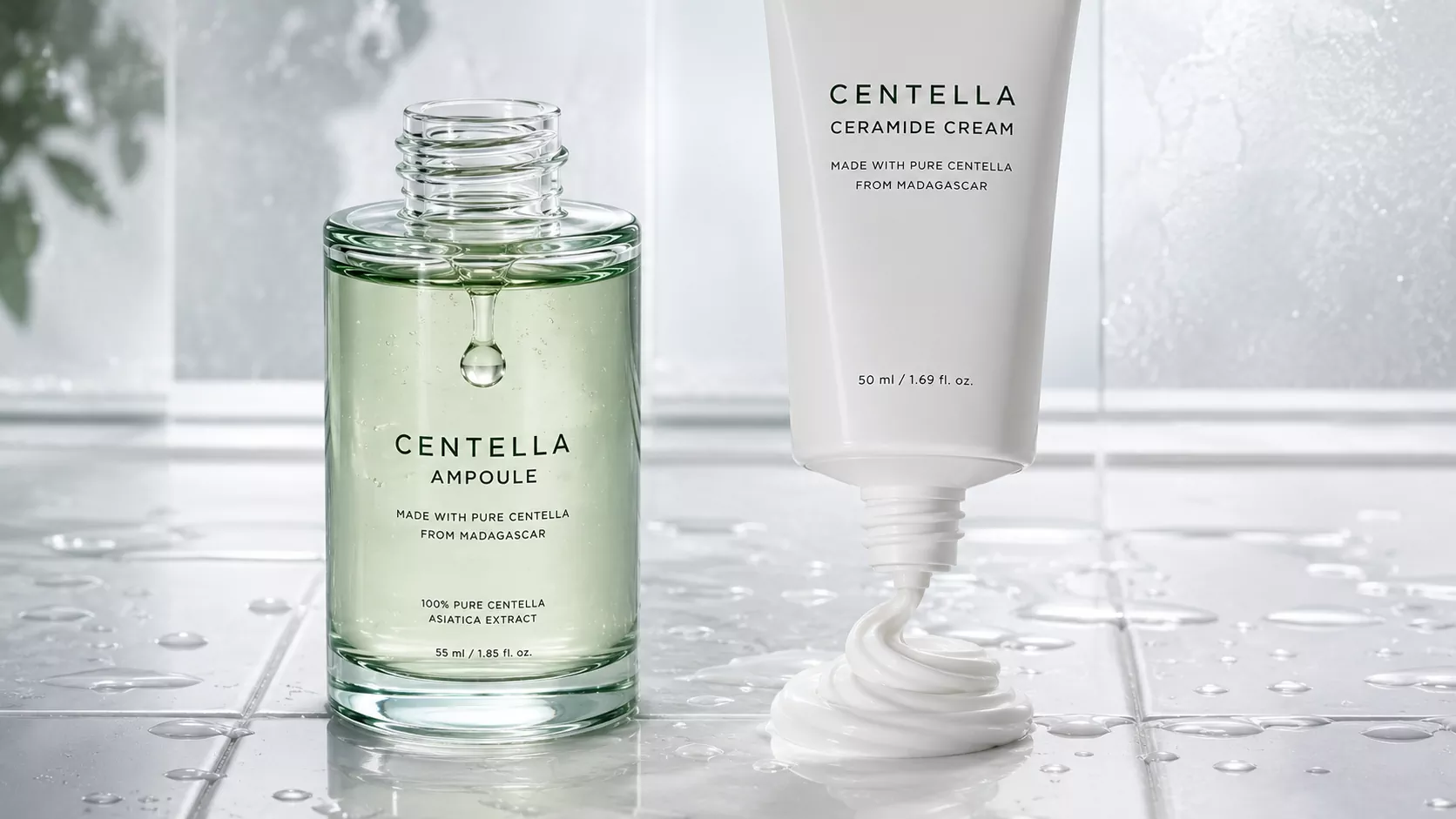
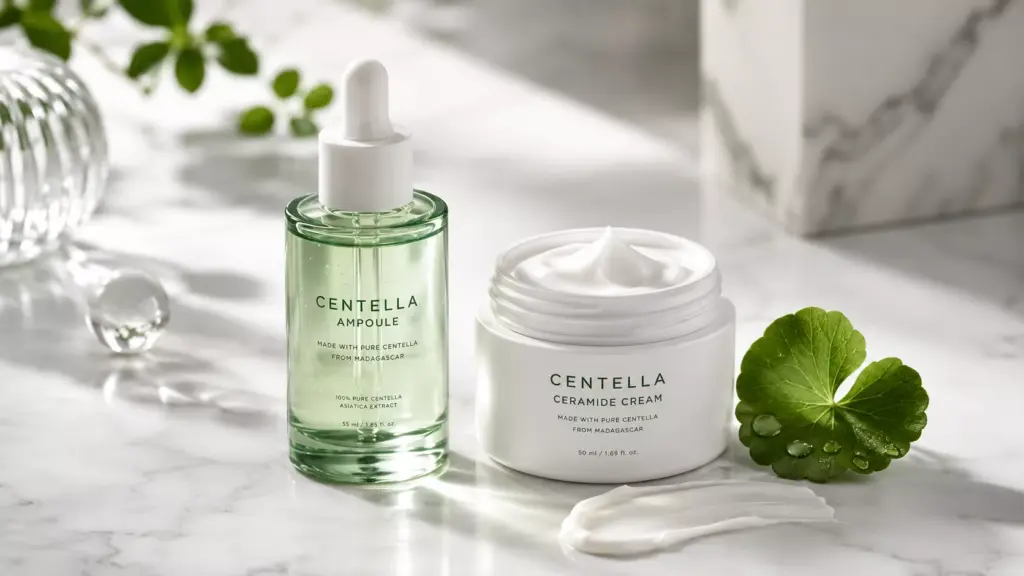
If you are someone who loves experimenting with active skincare—whether that means chasing the transformative glow of high-potency retinoids, incorporating weekly exfoliants, or subjecting your skin to intense environmental shifts—you have likely experienced the dreaded “skin barrier crisis.” It usually happens overnight: you wake up, apply your gentle morning serum, and suddenly feel an uncomfortable, stinging sensation. Your cheeks look blotchy, dry patches appear around your nose, and even plain water feels irritating.
This unpleasant phenomenon occurs when your stratum corneum—the outermost layer of the epidermis that acts as your skin’s defense shield—becomes compromised. As someone who spent years navigating the fine line between achieving clinical results and over-exfoliating, I used to think the answer to sudden redness was throwing even more soothing single-ingredient products at my face. I would layer aloe vera, wait an hour, and then slather on heavy petroleum jellies. Yet, my skin remained reactive and tight.
My perspective completely changed when I analyzed the biochemistry of structural epidermal repair. I realized that single-ingredient isolation rarely solves systemic barrier collapse. True recovery requires a dual-action approach: immediate biological anti-inflammatory soothing paired with physical structural lipid rebuilding. This is precisely why the clinical combination of Cica and Ceramides has become the gold standard in modern dermatological recovery routines.
1. The Molecular Synergy of Cica and Ceramides
To understand why using Cica and Ceramides together outperforms using either ingredient in isolation, we must look at what happens beneath the surface when your epidermal wall collapses.
When your barrier is disrupted, two distinct physiological crises happen simultaneously:
- The Inflammatory Flare: The physical breaches in your lipid matrix allow ambient irritants and micro-pathogens to penetrate deeper into the epidermis, triggering a release of pro-inflammatory cytokines. This leads to visible erythema (redness), heat, and heightened nerve sensitivity.
- Structural Lipid Depletion: The intercellular “mortar” of your stratum corneum—which is naturally composed of ceramides, cholesterol, and free fatty acids—dissolves. This creates micro-gaps that accelerate Transepidermal Water Loss (TEWL), leaving your skin incapable of holding moisture.
Cica (derived from Centella Asiatica, also known as Tiger Grass) targets the first crisis. Rich in active pentacyclic triterpenoids such as madecassoside, asiaticoside, and asiatic acid, Cica acts as an immediate biological circuit breaker for inflammation. It suppresses hyper-reactive immune responses in epidermal keratinocytes, cools surface heat, and stimulates the signal pathways responsible for collagen synthesis.
Ceramides target the second crisis. Representing roughly 50% of your skin’s natural intercellular lipid matrix, ceramides are the essential structural building blocks that lock keratinized cells together. When topically applied, biomimetic ceramides (such as Ceramide NP, AP, and EOP) slot directly into the depleted gaps of your lipid bilayer, restoring its physical impermeability.
When you merge these two powerhouses, Cica immediately cools the fire and calms hyper-reactivity, allowing Ceramides to step in and rebuild the physical brick-and-mortar defense wall without being disrupted by ongoing inflammation.
2. Clinical Evidence on Skin Barrier Restoration
The therapeutic efficacy of combining botanical triterpenoids with structural barrier lipids is heavily documented in dermatological research. Rather than relying on marketing claims, clinical trials demonstrate that targeted formulations containing Centella extracts and essential lipid molecules radically accelerate tissue recovery metrics.
According to recent clinical investigations evaluating topical barrier restoration protocols, formulations incorporating Centella Asiatica leaf extract alongside Ceramide NP and panthenol demonstrated significant reductions in Transepidermal Water Loss (TEWL) and noticeable decreases in facial erythema within active evaluation periods. Instrumental cutaneous measurements confirmed that while Centella active compounds actively soothe neurogenic inflammation and attenuate oxidative stress, the inclusion of Ceramide NP rapidly re-establishes normal stratum corneum hydration levels and structural resistance.
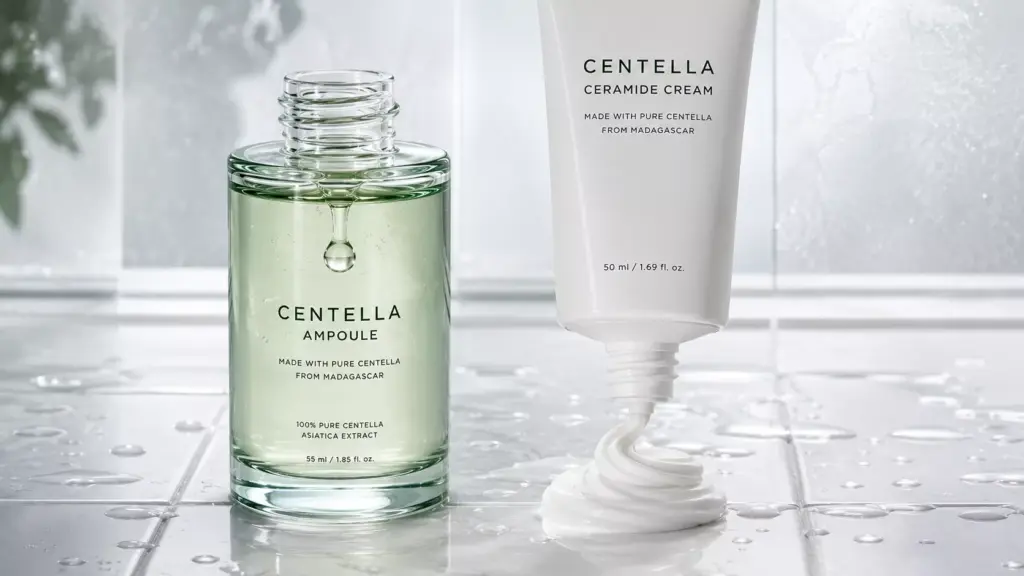
To implement this bi-phasic healing mechanism into your routine without causing product pilling or pore congestion, follow this structured recovery protocol:
Step 1: Quenching Inflammation with Cica
Immediately pause all exfoliating acids (AHA/BHA/PHA), pure L-ascorbic acid, and retinoids. Begin your post-cleansing routine with an alcohol-free, water-based essence or toner pad enriched with concentrated Madecassoside or Centella stem cells. Gently pat the liquid into your skin to soothe hyper-reactive nerve endings and reduce cutaneous heat.
Step 2: Rebuilding the Lipid Wall with Ceramides
Once your hydrating Cica layer has absorbed, lock in the active repair process with a barrier-repair cream formulating Ceramides in a physiological 3:1:1 ratio alongside cholesterol and free fatty acids. This ratio mimics human skin architecture, allowing the lipids to integrate seamlessly into your compromised barrier. If you are working to fix a barrier damaged by seasonal weather shifts, review our detailed guide on managing deep epidermal water loss during heat spikes, which covers how environmental dehydration interacts with stratum corneum vulnerability.
3. Comparative Analysis: Single Active vs. Dual Recovery Protocol
To help you decide how to adjust your routine during a skin barrier emergency, review this straightforward comparison of single-ingredient care versus a dual recovery protocol:
- Single-Active Soothing (e.g., Pure Cica Alone)
- Primary Action: Reduces surface redness and calms irritation signals.
- TEWL Protection: Low (does not replace missing structural lipids).
- Long-Term Barrier Resilience: Moderate (soothes symptoms without sealing micro-gaps).
- Best For: Minor sunburn or mild, temporary flush.
- Single-Active Sealing (e.g., Pure Heavy Occlusive Alone)
- Primary Action: Forms a temporary physical shield over the surface.
- TEWL Protection: High (prevents external water loss passively).
- Long-Term Barrier Resilience: Low to Moderate (can trap heat and active inflammation underneath).
- Best For: Extremely dry, non-reactive skin in cold climates.
- Dual Recovery Protocol (Cica and Ceramides Combined)
- Primary Action: Simultaneously halts inflammatory signals and restores the lipid bilayer.
- TEWL Protection: Exceptionally High (active lipid integration + hydration retention).
- Long-Term Barrier Resilience: Maximum (re-establishes true stratum corneum homeostasis).
- Best For: Over-exfoliated skin, retinoid purges, chemical burn sensations, and compromised barrier states.
4. Advanced Behavioral Adjustments and Medical Disclaimers
Practicing Strategic Skin Fasting
While topical applications are vital for recovery, your daily skin habits dictate how fast your barrier bounces back. During an active skin flare-up, step away from multi-step layering routines. Stick strictly to a gentle low-pH cleanser, your Cica and Ceramides duo, and a mineral-based zinc oxide sunscreen during daytime hours. Zinc oxide provides additional anti-inflammatory benefits while reflecting UV rays that would otherwise exacerbate damaged tissue. Give your skin 72 hours of this minimalist protocol before attempting to reintroduce any active treatment serums.
5. Conclusion: Minimalist Science for Maximum Resilience
Healing a damaged skin barrier does not require a complex 10-step routine filled with trendy ingredients. By understanding the underlying biology of skin inflammation and moisture loss, you can rely on proven ingredients that work in harmony with your body. Combining the anti-inflammatory power of Cica with the structural support of Ceramides gives your skin the exact tools it needs to repair itself, calm redness, and build long-term resilience.
Medical Disclaimer
The information provided in this article is for educational and informational purposes only and should not be construed as professional medical advice, diagnosis, or treatment. Always seek the advice of your dermatologist or other qualified health provider with any questions you may have regarding a specific skin condition or cosmetic protocol.