
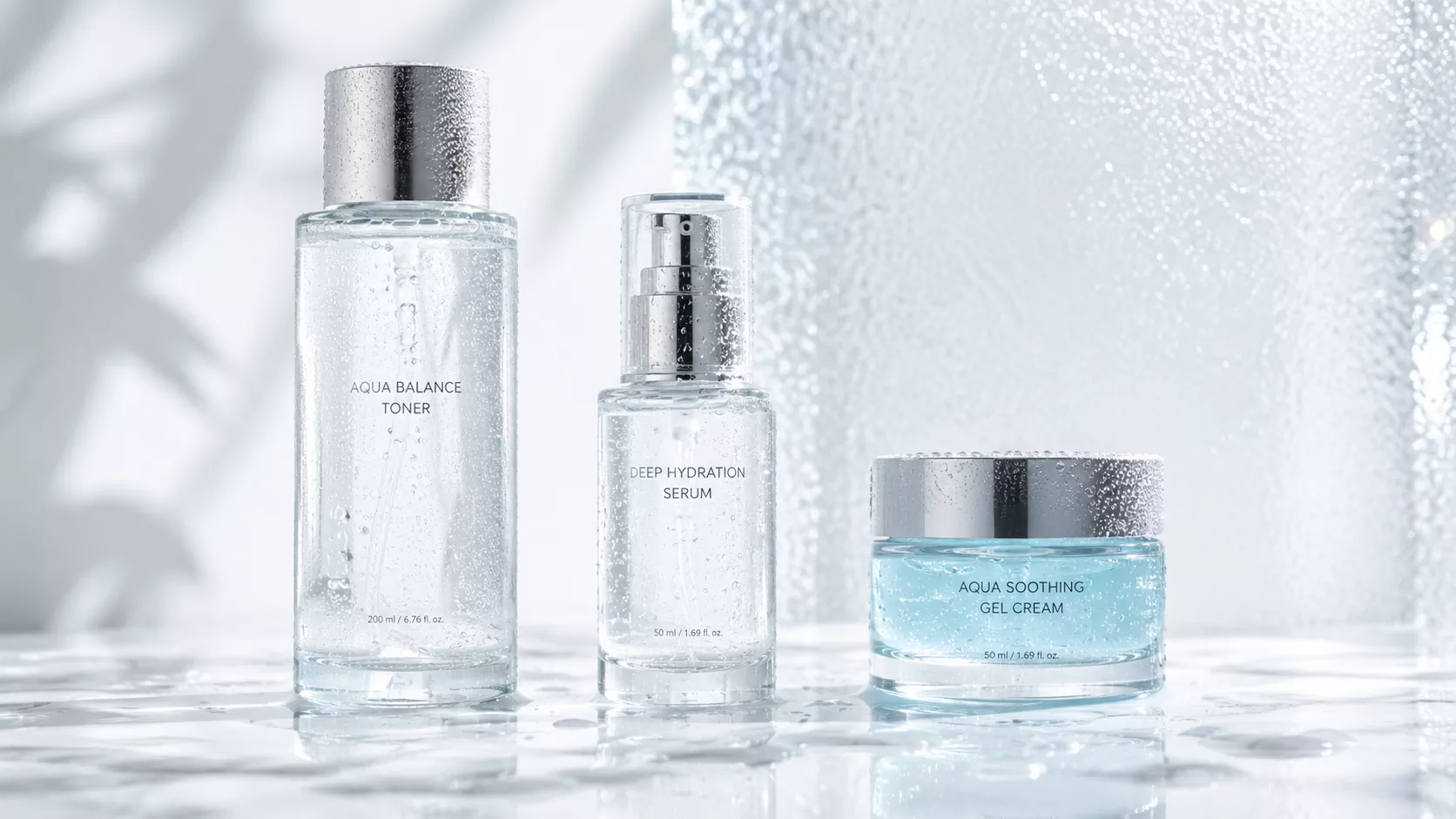
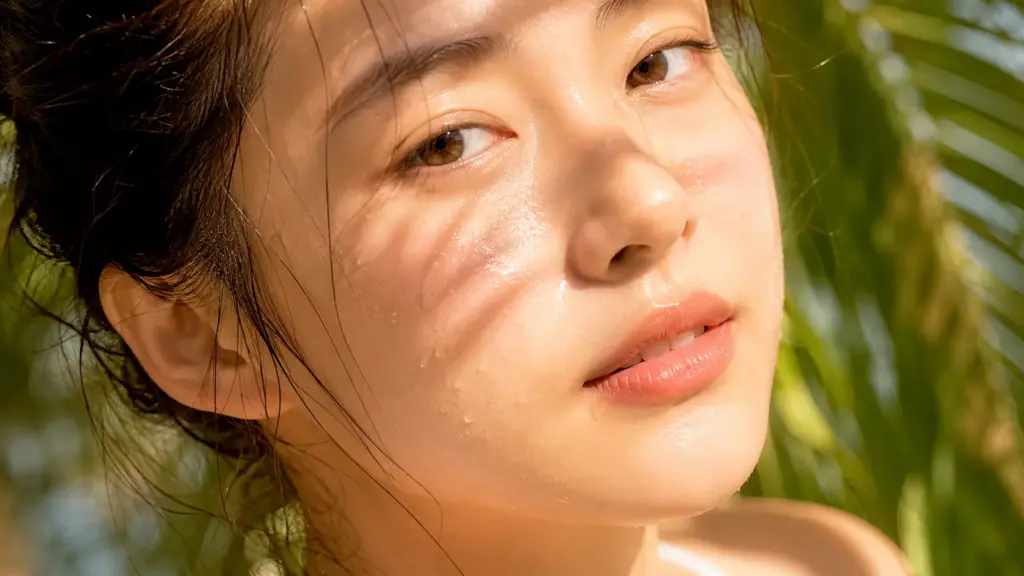
If you are a skincare enthusiast navigating the scorching mid-July heat, you have probably encountered this exact aesthetic nightmare: you step outside, and within five minutes, your face is covered in a heavy, brilliant glisten. To the untrained eye, it looks like the ultimate dewy glass skin. But the moment you double-cleanse at night, your skin barrier delivers a harsh reality check. Your cheeks feel painfully tight, dry patches emerge around your mouth, and your T-zone reacts by overproducing oil.
This is the exhausting cycle of the summer hydration paradox. As someone who has spent years analyzing K-beauty formulations and tracking how different climates compromise the dermal matrix, I used to believe that seasonal humidity meant I could skip heavy humectants entirely. I was wrong. The frustrating reality is that your skin can be profoundly dehydrated on a molecular level even when you are actively sweating.
Sweat is primarily water and trace minerals regulated by your eccrine glands to cool down your core temperature; it does not contribute to your acid mantle’s integrity or internal lipid organization. In fact, as that sweat evaporates in the summer sun, it acts like a siphon, drawing out your skin’s inherent moisture along with it. This leaves you with a disrupted epidermal barrier that is highly vulnerable to systemic moisture loss.
1. The Molecular Science Behind Summer Skin Hydration
To truly master Summer Skin Hydration, we have to look past the surface sebum and understand what is happening inside the extracellular matrix when UV rays and modern lifestyle factors collide.
When your skin is exposed to intense summer heat and chronic ultraviolet radiation, it undergoes a biological defense mechanism that inadvertently compromises its water-retention capabilities. UV rays trigger a cascade of matrix metalloproteinases (MMPs)—enzymes that systematically degrade your type I collagen and elastin networks. This structural degradation directly weakens the dermal architecture that holds onto water molecules.
Furthermore, we cannot talk about summer dehydration without addressing the ultimate environmental trap: continuous air conditioning. Air conditioners function by stripping moisture out of the ambient air. When you spend eight hours a day in a cooled office or room, the dramatic humidity drop creates a steep osmotic gradient. This drives accelerated Transepidermal Water Loss (TEWL), pulling water straight out of your stratum corneum into the dry air.
When your internal moisture reservoirs drop below the optimal 10-15% threshold, your skin shifts into survival mode. It triggers a reflex surge in sebaceous activity, flood-coating your face in sebum to prevent further evaporation. This is why you end up with the worst of both worlds—clogged pores on the surface and severe dehydration underneath.
2. The Solution: A Biologically Optimized Delivery Protocol
Resolving this complex issue requires moving away from heavy, occlusive creams—which merely trap heat and sebum, leading to cystic breakouts—and shifting toward a targeted, multi-tiered cellular delivery system.
The most definitive advancement in high-performance summer care relies on utilizing biocompatible cell-signaling fragments to repair the broken barrier from within. According to recent clinical investigations evaluating the therapeutic efficacy of low-molecular-weight biological fragments and extracellular vesicles, advanced topical delivery systems can significantly accelerate dermal tissue repair, optimize internal water channels, and suppress the pro-inflammatory signaling pathways induced by UV exposure.
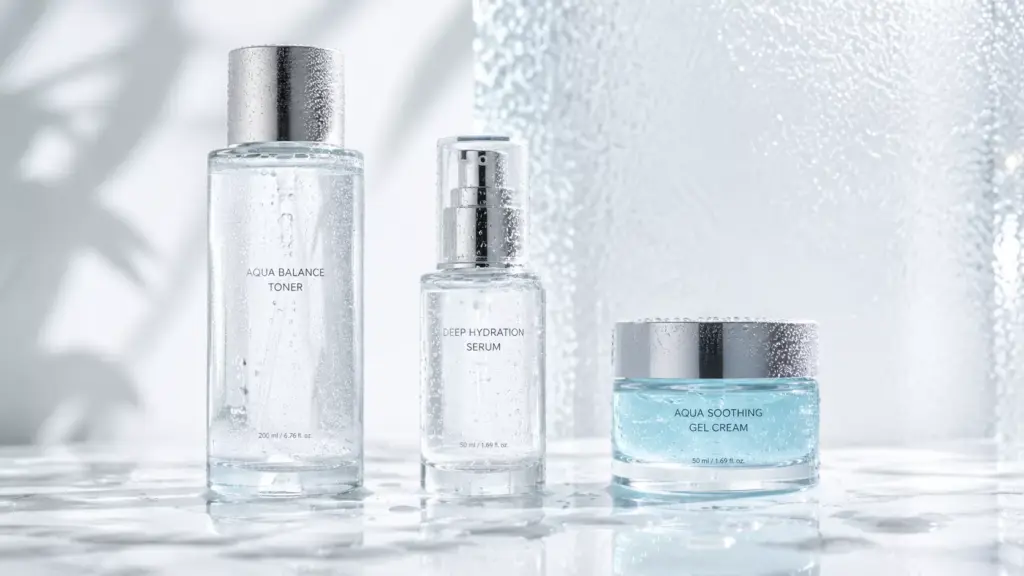
To implement this science into a daily routine without suffocating your skin, follow this precise layering sequence tailored for hot weather:
Step 1: The Non-Stripping Cleanse
Switch to a low-pH, amino-acid-based gel cleanser. Avoid harsh salicylic acid strips that dissolve your essential lipid barrier; you want to purify the pores while keeping your natural ceramide channels intact.
Step 2: Micro-Layering Micro-Hyaluronic Acid
Instead of applying one thick layer of lotion, utilize the K-beauty “3-skin method” with an alcohol-free, water-like toner containing hydrolyzed hyaluronic acid. Because the molecular weight is exceptionally low, it slips past the surface sebum to saturate the deeper layers of the corneum.
Step 3: The Bio-Advanced Signal Transition
Apply a specialized serum rich in extracellular vesicles or biomimetic peptides. This is where you connect your routine back to advanced cellular communication platforms, allowing your skin cells to actively heal from UV-induced stress. If you are tracking your complete skincare journey, make sure to read our comprehensive breakdown of cellular repair foundations in our previous guide on advanced clinical homecare trends, which outlines how these exact bio-fragments restructure damaged skin walls.
Step 4: The Breathable Locked Barrier
Finish with a weightless, oil-free gel cream packed with squalane and centella asiatica (Cica). This provides a breathable micro-seal that blocks TEWL without clogging your pores.
3. Summer Skincare Matrix: Balancing Hydration vs. Sebum
To streamline your product transition this season, use this definitive comparative text matrix to identify exactly what your skin needs to maintain equilibrium under the summer sun.
- Traditional Occlusive Routine (Avoid)
- Primary Base Ingredients: Mineral oil, petrolatum, heavy shea butter
- Target Dermal Layer: Stratum corneum surface only (creates a heavy mask)
- TEWL Protection Style: Passive physical sealing (traps heat and sweat)
- Skin Breathability Score: Low (increases risks of summer acne and heat rash)
- Pore Congestion Risk: Exceptionally high in high-humidity climates
- Advanced Bio-Hydration Protocol (Adopt)
- Primary Base Ingredients: Hydrolyzed hyaluronic acid, squalane, glycerin
- Target Dermal Layer: Deeper epidermal layers via low-molecular agents
- TEWL Protection Style: Active structural barrier repair via cell-signaling
- Skin Breathability Score: High (weightless liquid matrix that allows cooling)
- Pore Congestion Risk: Extremely low / Non-comedogenic
4. Advanced Structural Tips and Medical Disclaimers
A Quick Note on Internal Cellular Volumizing
While optimizing your topical delivery system is paramount, we cannot ignore internal osmoregulation. During my trial-and-error phases in peak summer humidity, I realized that downing iced Americanos all day actually worsened my dermal tightness. Caffeine acts as a systemic diuretic, accelerating internal dehydration. To maintain an authentic glass skin bounce, swap at least one coffee for structured water alternatives or electrolyte-infused herbal infusions. True summer skin hydration is a dual-boundary defense—saturating from the inside out while locking it down from the outside in.
Conclusion: Embrace the Glow, Not the Grease
By shifting your focus from heavy surface-level masking to deep, weightless cellular saturation, you successfully resolve the summer hydration paradox. You can finally enjoy a genuine, lit-from-within glass skin glow that stems from authentic cellular health—not just trapped, superficial perspiration.
Medical Disclaimer
The information provided in this article is for educational and informational purposes only and should not be construed as professional medical advice, diagnosis, or treatment. Always seek the advice of your dermatologist or other qualified health provider with any questions you may have regarding a specific skin condition or cosmetic protocol.