
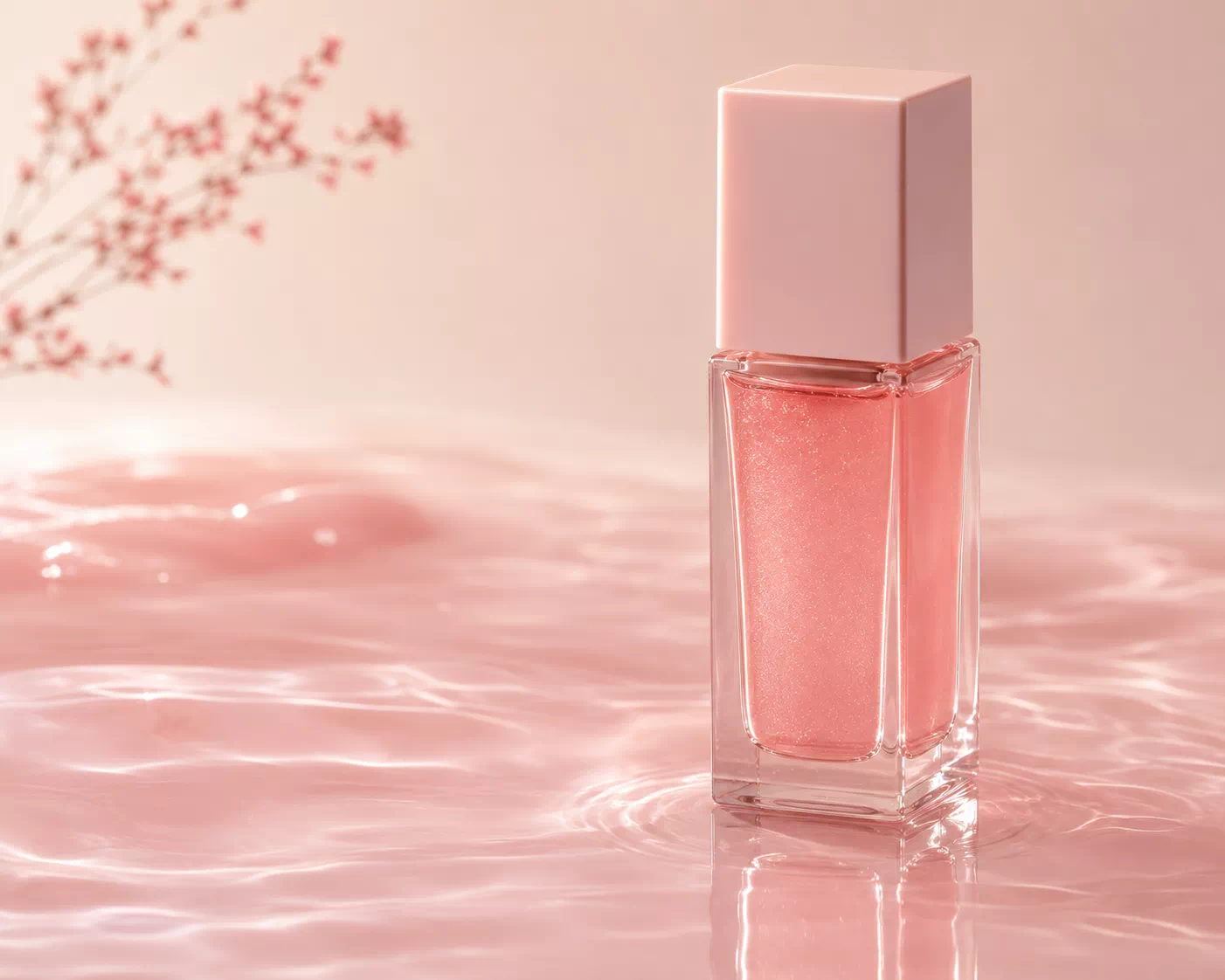
As mid-summer hits its peak in July 2026, the streets of Seoul are witnessing a radical shift in makeup physics. The heavy, matte, hyper-pigmented cheek trends of the past have been completely replaced by a much more ethereal, skin-first phenomenon sweeping across South Korea: the Korean Watercolor Blush trend.
Known locally as “susaek” (water-stained) makeup, this aesthetic mimics the translucent, fluid transparency of watercolor paint on a wet canvas. Instead of sitting like an opaque layer of powder on top of the skin, it blends seamlessly into the epidermal matrix, creating an illusion of a flush radiating from deep within. However, achieving this ultra-pure, translucent aesthetic during the humid summer months requires highly strategic skin prep and an understanding of how light interacts with surface lipids and pigments.
1. The Problem: Why Summer Sebum Subverts Your Cheek Makeup Into a Muddy Mess
Attempting to wear traditional cream or liquid blush formulas during high-humidity summer days typically results in a rapid breakdown of the makeup barrier. This deterioration happens through specific cosmetic-biochemical interactions:
- Pigment Oxidation via Free Fatty Acids: As your sebaceous glands accelerate sebum production to combat summer heat, the secreted free fatty acids mix with the iron oxides and titanium dioxide found in standard blush pigments. This chemical interaction triggers rapid oxidation, turning a bright pink or peach into a dull, muddy orange within hours.
- The Porosity Trap of Powder Fillers: Many traditional blushes rely on talc or mica as structural fillers. When these porous minerals absorb sweat and sebum, they lose their translucent light-refracting properties, becoming completely opaque and accentuating micro-textural roughness and enlarged pores.
- Emulsion Breakage: Standard cream blushes are unstable water-in-oil emulsions. When exposed to internal sweat and external humidity, the emulsifiers fail, causing the makeup to separate, pill, and migrate into the fine lines around the periorbital zone.
2. The Explanation: The Light-Refraction Principles Behind the Korean Watercolor Blush Trend
To overcome summer makeup oxidation, the viral Korean Watercolor Blush trend completely bypasses opaque powder binders, relying instead on light-refracting polymers and low-molecular-weight humectants. These modern K-beauty formulations suspend micro-milled organic pigments inside a high-water, serum-like matrix.
In my own clinical and cosmetic observations of skin-makeup interactions during humid Korean summers, I have consistently noted that the secret to a long-lasting, transparent flush lies in sub-surface light scattering. When light hits a cheek coated in a watercolor formula, it passes through the translucent pigment layer, bounces off the hydrated stratum corneum, and reflects back out. This path creates a multi-dimensional, soft-focus luminescence that naturally blurs the skin without clogging pores.
The Textural Porosity Check
A simple way to test if your cheek surface is prepped for a watercolor finish at home is to gently press a clean finger against your zygomatic arch (cheekbone) three hours after applying makeup. If the surface feels slippery, thick, and looks noticeably textured under direct sunlight, your current formula is failing to integrate with your lipid barrier and is trapping heat.
3. The Solution: The Step-by-Step Watercolor Layering Protocol
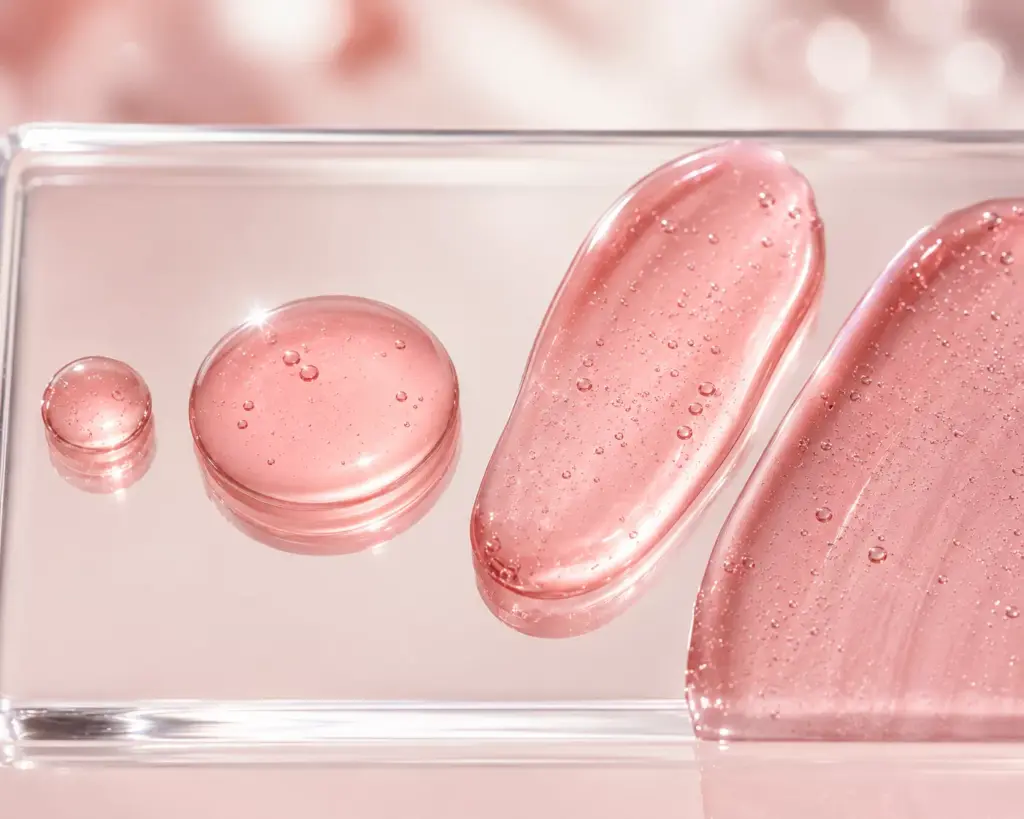
To successfully lock in this ultra-fresh, translucent flush without triggering breakout-prone sebum congestion, implement this biologically optimized daily protocol.
| Routine Phase | Target Layer | Recommended Formulation Type | Strategic Cosmetic Action |
| Phase 1: Hydration Priming | Stratum Corneum | Non-comedogenic, oil-free water gel | Grips pigments tightly; seals internal moisture paths |
| Phase 2: Base Sheering | Upper Epidermis | Micro-emulsion fluid or jelly serum | Delivers pure organic tint; prevents mid-day pigment oxidation |
| Phase 3: Hydrophobic Setting | Surface Boundary | Spherical silica micro-powder | Absorbs excess liquid sebum while keeping pigment transparency |
Step 1: Priming the Canvas with Hyaluronic Stacking
Never apply a liquid or gel blush directly onto dry or heavily powdered skin. Immediately after your sunscreen has set, apply a pea-sized amount of an oil-free water gel primer. This creates a smooth, highly hydrated surface matrix that prevents the subsequent watercolor pigments from clinging to dry patches or sinking into dilated pores.
Step 2: The Dual-Layer Stippling Technique
Dispense a single drop of a K-beauty serum-infused fluid blush onto the back of your hand. Using a damp, latex-free beauty sponge or a dual-fiber stippling brush, tap the product gently onto the high points of your cheeks. Apply one incredibly sheer layer first, let it fuse with your base for 60 seconds, and then apply a second micro-layer only to the apple of the cheeks. This specific layering builds deep visual dimensionality without adding physical product weight.
Step 3: Fixing with Spherical Silica Micro-Powder
To seal the watercolor radiance without matting it down, skip heavy, tinted setting powders. Instead, use a fluffy brush to dust a microscopic layer of 100% spherical silica micro-powder exclusively over the perimeter of the blush zone. Silica micro-spheres possess a unique structure that selectively absorbs liquid sweat and sebum while allowing light to pass through completely uninterrupted, preserving your luminous glow.
Decoding the Ingredient List for a Clean Fluid Tint
When browsing the latest K-beauty fluid tints or cheek serums, look past the aesthetic packaging and scan the top of the ingredient list for these high-affinity components:
- Centella Asiatica Extract or Bamboo Water: Replaces synthetic solvents to soothe the cheeks and lower skin surface temperature under harsh summer UV rays.
- Silicone Crosspolymers (e.g., Dimethicone/Vinyl Dimethicone Crosspolymer): Provides a breathable, flexible mesh that locks the watercolor pigments in place, preventing them from bleeding into pores or separating due to sweat.
Tailoring the Watercolor Flush to Your Undertone
Because watercolor blushes are incredibly translucent, your natural skin undertone will interact directly with the pigment. To prevent the color from looking muddy or washing you out, follow this strategic pairing guide:
- Cool Undertones: Opt for sheer lavender, icy pink, or cool berry fluid tints. The cool lavender shades act as a color-corrector on slightly sallow or summer-dulled skin, neutralizing yellow undertones to create a bright, ethereal porcelain glow.
- Warm Undertones: Look for clear apricot, soft peach, or warm terracotta liquid matrixes. These shades fuse with warm skin cell tones smoothly, mimicking a natural, sun-kissed warmth without turning ashy or overly orange as daytime sebum builds.
Fine-Tuning the Trend for Your Specific Skin Type
- For Oily & Combination Skin: Apply only one thin layer of the milky toner, focusing exclusively on the perimeter of the face and the cheekbones. Skip the T-zone to prevent daytime shine from turning into excess sebum production.
- For Dry & Textured Skin: Utilize the famous Korean “7-skin method” but modified: apply three layers of a clear fermented toner followed by two layers of a rich milky toner. This cross-layering maximizes both water content and structural lipids.
4. Critical Mistakes to Avoid
- Mixing Creams Over Dense Powders: Applying a liquid or serum watercolor blush over a heavy layer of powder foundation will instantly break the emulsion. It clumps the pigments together, resulting in a patchy, uneven texture that looks dry and flaky.
- Skipping the Double Cleanse: Fluid and gel blushes are designed to bind tightly to the upper layers of the skin. To prevent long-term pore congestion and micro-comedones on the cheeks, always dissolve these long-wear polymers using a thorough double cleansing method at the end of the day.
Frequently Asked Questions (FAQ)
Q1: Can I achieve the watercolor look if I have active acne or acne scarring?
A. Yes, absolutely. The secret is spot-concealing your blemishes first with a high-coverage, matte concealer. Once the blemishes are neutralized, tap the translucent watercolor blush gently over the area. Because these formulas do not contain heavy powder fillers, they will not accentuate the physical texture of scars or active breakouts the way traditional blushes do.
Q2: Does this trend work on deeper skin tones?
A. Yes. While the Korean market often favors pale pinks and lavenders, the watercolor technique itself translates beautifully to deeper skin tones when using highly saturated, clear organic pigments like vibrant corals, deep berries, or rich plums. The key is the translucent, fluid delivery system, which prevents the shade from looking ashy or chalky on the skin.
Clinical Proof & Medical Disclaimer
According to recent clinical investigations evaluating the micro-topography of the human epidermis and cosmetic pigment adherence, maintaining optimal moisture dynamics within the stratum corneum is critical for preventing cosmetic formulation migration and subsequent follicular blockage. This clinical data highlights why utilizing highly biocompatible, hydration-dense vehicle systems significantly outperforms traditional occlusive and powder matrices in maintaining skin health.
Medical Disclaimer: The information provided in this article is for educational purposes only. It is not intended to be a substitute for professional medical advice, diagnosis, or treatment. Always seek the advice of your dermatologist or a licensed aesthetician.