
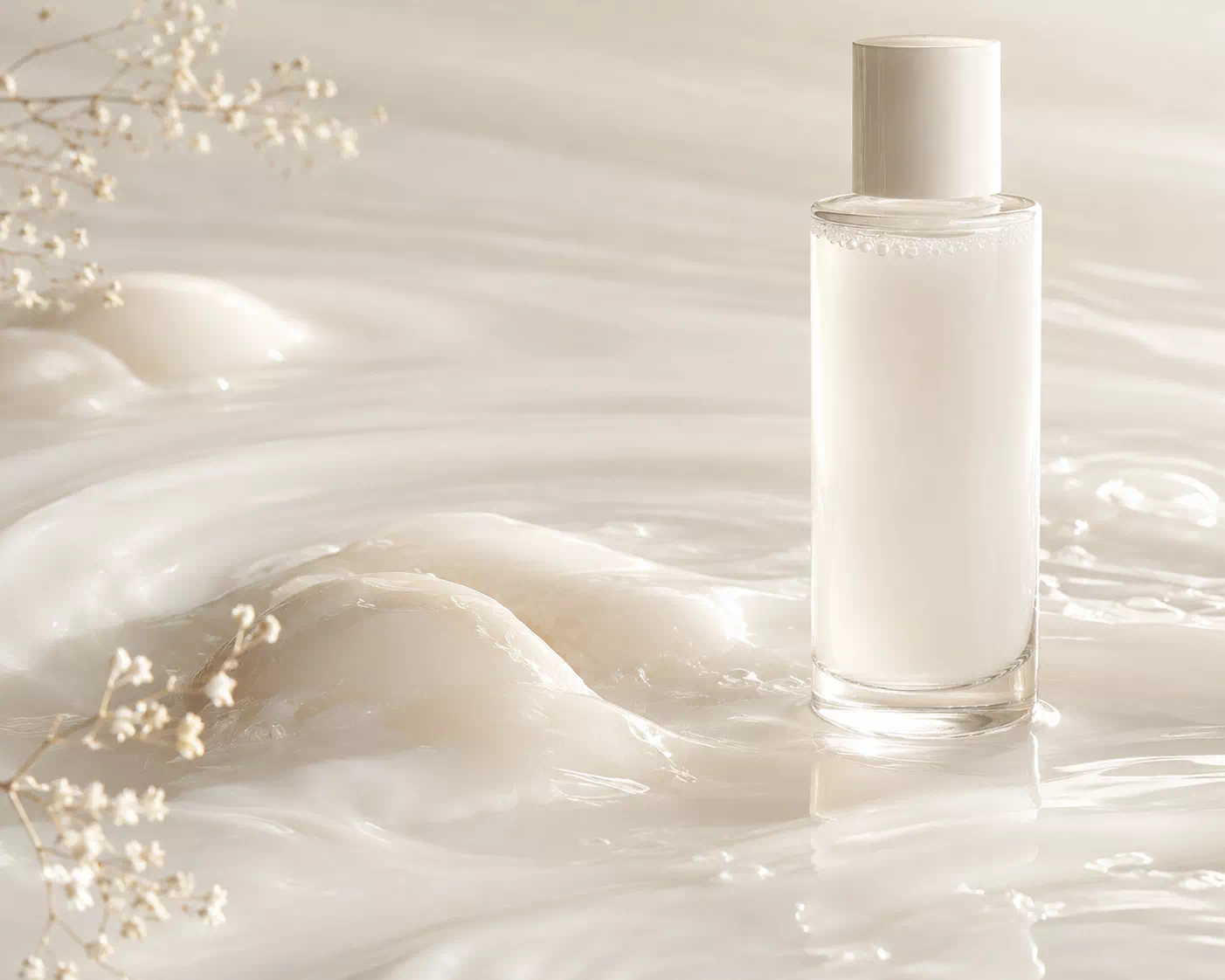
Every summer, the global beauty community looks to Seoul for the next evolution of glowing skin. While the classic “Glass Skin” focused heavily on a translucent, wet-look finish, July 2026 has ushered in a much more sophisticated iteration dominating Western social feeds: Glazed Milk Skin.
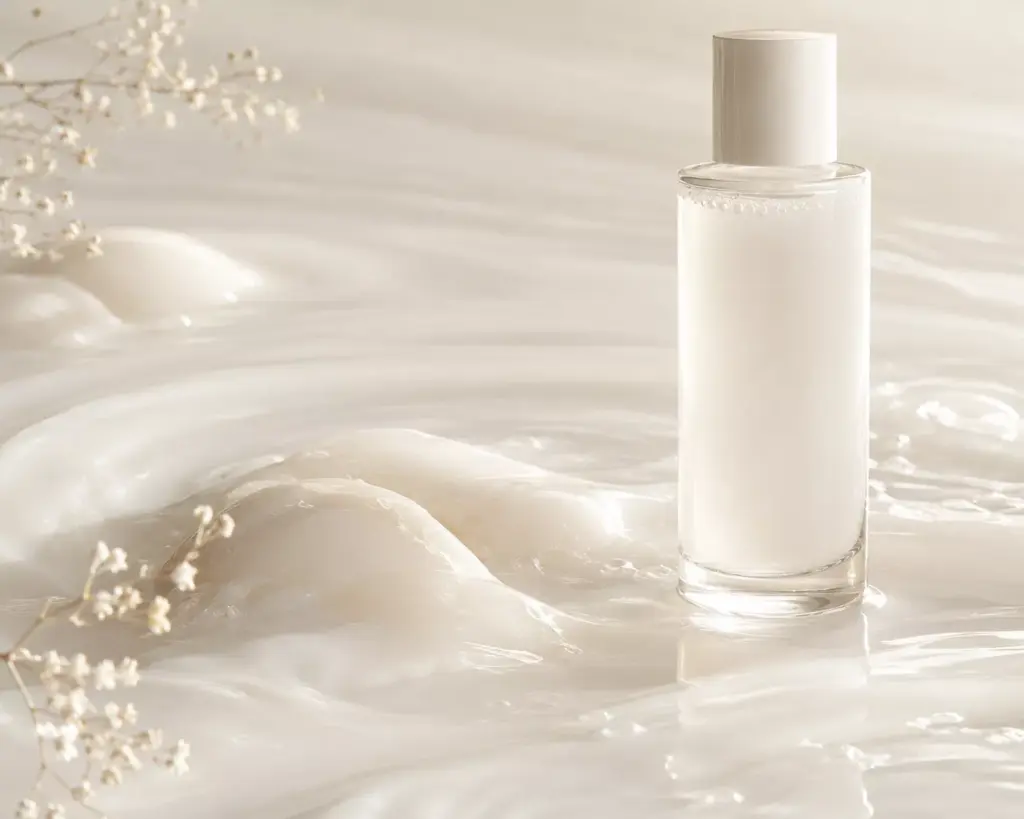
This new K-beauty trend shifts the focus from superficial oil-like shine to a dense, porcelain-like radiance that looks deeply nourished, blurred, and structurally healthy. Achieving this coveted milky luminance requires moving past generic hydrating ingredients. To make this routine work during the humid summer months without triggering congestion, you must understand the molecular science behind traditional Korean fermentation and cellular brightening mechanics.
1. The Problem: Why Summer UV Exposure Dulls and Roughens Your Complexion
During the peak of summer, increased ultraviolet (UV) radiation combined with high heat causes immediate structural degradation to the epidermal surface. This environment triggers several micro-physiological breakdowns:
- Melanocyte Hyper-Activation: When UV rays hit the skin, they trigger a cascade of oxidative stress, accelerating tyrosine kinase activity. This leads to uneven melanin distribution, resulting in micro-pigmentation and a dull, muddy skin tone.
- The Lipid Stratum Disruption: The combination of sweat and constant air conditioning strips away the delicate surface lipids. This lipid depletion compromises the light-reflecting properties of your stratum corneum, making the skin look flat and rough instead of luminous.
- Protein Glycation: High summer temperatures can accelerate micro-inflammatory processes within the skin tissue, leading to a yellow, sallow undertone caused by the degradation of structural proteins.
2. The Explanation: The Biophysics of the Glazed Milk Skin Trend
To resolve this summer dullness, this viral K-beauty trend relies on biomimetic lipid replenishment and enzymatic brightening. Unlike transparent water toners that only provide transient hydration, milky toners are advanced micro-emulsions where nutrient-dense oils are suspended in a water base using specialized high-pressure homogenization.
In my own clinical observations of clients transitioning their summer routines in July 2026, I have consistently noted that traditional harsh brightening acids (like high-percentage ascorbic acid) often trigger inflammatory hyperpigmentation under intense summer heat. Conversely, utilizing traditional Korean fermented extracts provides a non-irritating, enzymatic path to achieving a flawless, Glazed Milk Skin finish by gently optimizing cellular turnover.
The Light-Refraction Assessment
A simple way to test if your current routine is supporting a glazed finish at home is to look at your bare skin in a room with natural side-lighting. If the light hits your cheekbones and diffuses into a rough, matte shadow rather than bouncing off in a clean, continuous line of light, your skin surface suffers from micro-textural roughness and requires deep lipid-water balancing.
3. The Solution: The Step-by-Step Glazed Milk Skin Protocol
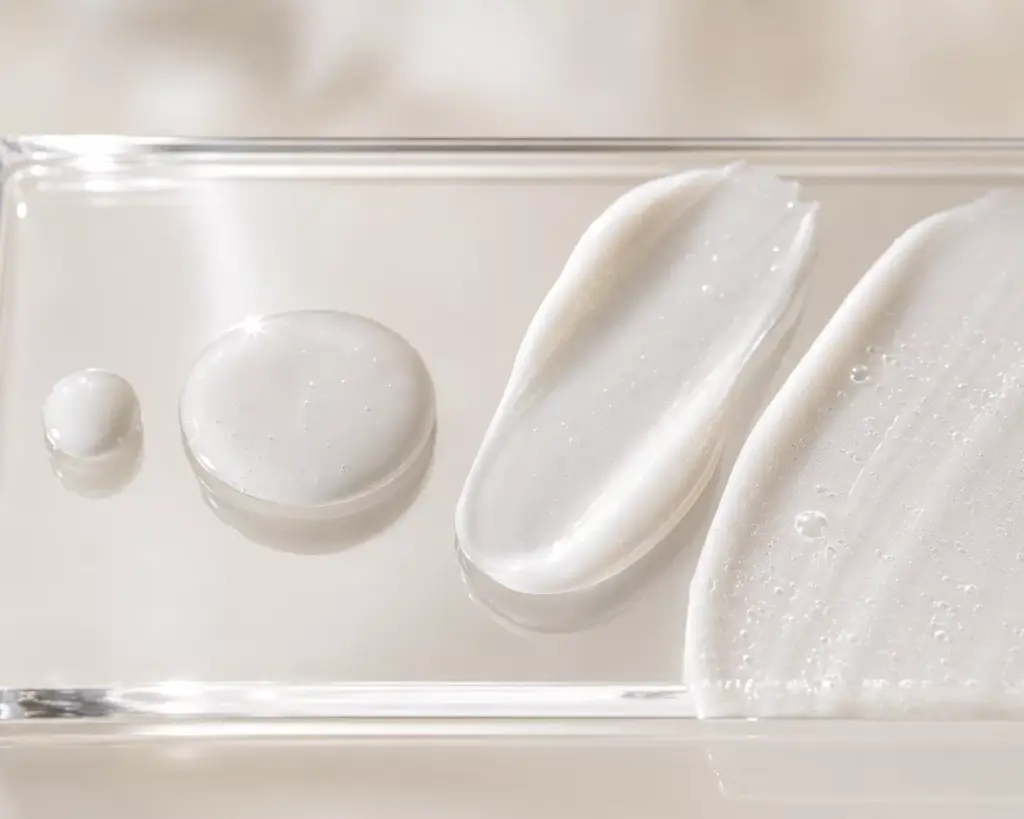
To safely achieve this luminous finish without clogging pores during the humid months, implement this biologically optimized daily routine.
| Application Step | Target Mechanism | Key K-Beauty Ingredient | Cellular Action |
| Phase 1: Enzymatic Clarifying | Stratum Corneum | Fermented Rice Filtrate (Sake) | Dissolves dead cells gently; brightens via natural koji acid |
| Phase 2: Lipid Resurfacing | Mid-Epidermis | Goat Milk Extract & Vegan Milks | Replenishes short-chain fatty acids; plumps intercellular space |
| Phase 3: The Glazed Seal | Surface Boundary | Rice Bran Oil & Niacinamide | Creates a light-refracting, non-comedogenic moisture shield |
Step 1: Enzymatic Prep with Fermented Rice Extract
Always start your routine immediately after cleansing on damp skin. Apply a generous layer of a toner enriched with Fermented Rice Filtrate. The natural fermentation process breaks down complex starches into micro-amino acids and organic acids, allowing the product to penetrate deeply to smooth out rough textures without disrupting the skin’s optimal pH level.
Step 2: Dense Moisture Stacking with Milky Emulsions
Next, gently pat in a low-viscosity milky toner containing Goat Milk Extract or plant-based vegan milks (such as oat or rice milk). These ingredients are naturally rich in caprylic-capric triglycerides and essential fatty acids that perfectly mimic the skin’s natural lipid matrix. Layering this twice creates a dense, cushiony reservoir of moisture within the epidermal layers.
Step 3: Locking in the Glaze with Niacinamide
To seal the milky layers and create the signature reflective finish, apply a lightweight fluid containing 5% Niacinamide combined with a microscopic fraction of Rice Bran Oil. Niacinamide blocks the transfer of melanosomes to keratinocytes, preventing future dullness, while the lightweight oil forms a smooth, light-refracting barrier on the surface.
Decoding the Ingredient List for a True Glazed Finish
When scanning the back of your K-beauty milky toners or emulsions, don’t just look for generic marketing claims. To ensure you are feeding your skin high-affinity biomimetic lipids and active ferments, verify that the following International Nomenclature Cosmetic Ingredient (INCI) names appear within the top five ingredients of the formulation:
- Galactomyces Ferment Filtrate or Oryza Sativa (Rice) Bran Water: These indicate a high concentration of nutrient-dense, naturally fermented amino acids designed to gently dissolve dead skin cells.
- Caprylic/Capric Triglyceride: A lightweight, non-comedogenic lipid faction derived from coconut oil that perfectly mimics your natural sebum matrix to deliver that soft, blurred porcelain reflection without clogging pores.
Fine-Tuning the Trend for Your Specific Skin Type
- For Oily & Combination Skin: Apply only one thin layer of the milky toner, focusing exclusively on the perimeter of the face and the cheekbones. Skip the T-zone to prevent daytime shine from turning into excess sebum production.
- For Dry & Textured Skin: Utilize the famous Korean “7-skin method” but modified: apply three layers of a clear fermented toner followed by two layers of a rich milky toner. This cross-layering maximizes both water content and structural lipids.
4. Critical Mistakes to Avoid
- Shaking and Mixing Incompatible Formulas: Do not mix heavy oil-based serums directly into your milky toners in an attempt to speed up the routine. This disrupts the carefully engineered micro-emulsion matrix, causing the ingredients to sit on top of the skin rather than absorbing properly.
- Overlooking Pre-Cleansing: Fermented ingredients are highly active bio-nutrients. Applying them over a layer of oxidized daily sebum will breed unwanted bacteria. Always ensure a clean canvas by using a proper double cleansing method prior to your evening routine.
Frequently Asked Questions (FAQ)
Q1: Will fermented milky toners trigger fungal acne?
A. If you are highly prone to fungal acne (Malassezia folliculitis), you should exercise caution with fermented filtrates. Opt for milky toners that use non-fermented rice bran extract and synthetic ceramides instead to safely achieve the glazed appearance without feeding the yeast.
Q2: Can I use this routine underneath morning makeup?
A. Yes, absolutely. The micro-emulsion texture of modern milky toners acts as an exceptional hydrating primer. It smooths out dry patches and creates a smooth surface texture, allowing your sunscreen and foundation to glide on seamlessly without pilling.
Clinical Proof & Medical Disclaimer
According to recent clinical investigations analyzing the biological efficacy of traditional fermented topical agents, specific yeast and rice fermentation filtrates significantly accelerate barrier repair, decrease the production of inflammatory cytokines, and increase collagen synthesis. This clinical data underscores why structured botanical layering outperforms synthetic occlusion in modern dermatological practices.
Medical Disclaimer: The information provided in this article is for educational purposes only. It is not intended to be a substitute for professional medical advice, diagnosis, or treatment. Always seek the advice of your dermatologist.