
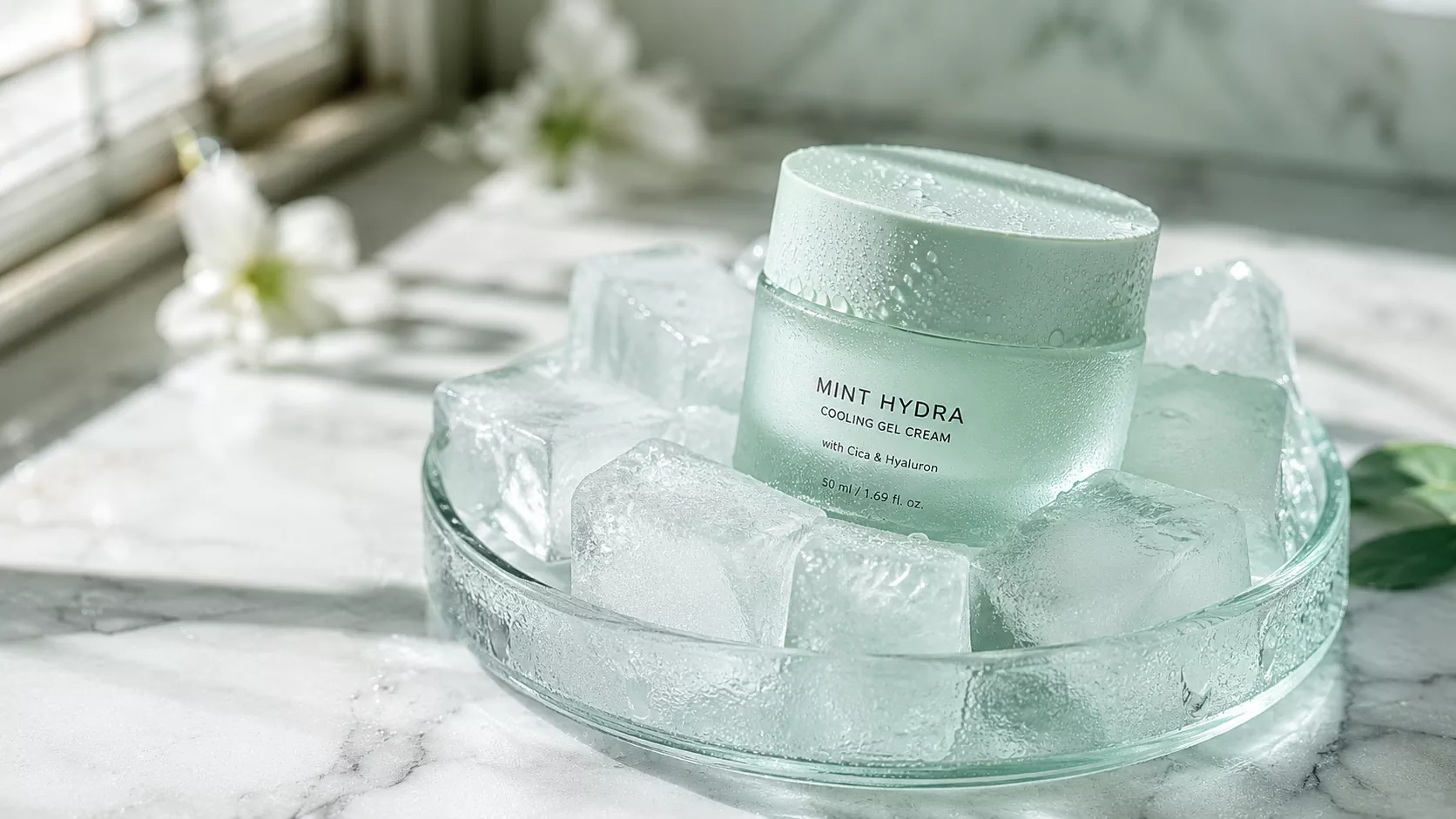
Let’s be entirely honest. Living through this unprecedented June 2026 early summer heatwave is a collective test of survival—not just for your sanity, but for your skin barrier. Right now, the ambient temperature is skyrocketing, and with every degree the thermometer climbs, your skin’s sebum excretion velocity doubles. If you are stepping outside into the scorching midday air only to find your carefully layered morning makeup sliding straight off your face by 2 PM, you are not alone. The combination of intense UV radiation, suffocating humidity, and heavy sweat acts like a magnifying glass on your face. It stretches out your pores, oxidizes your sebum into blackheads, and triggers painful heat rashes.
In Western beauty circles, the immediate reaction to a summer grease-slick is to strip the skin with aggressive clay masks and harsh mattifying alcohols. However, over-stripping during an extreme weather event only sends your sebaceous glands into a defensive panic, causing them to pump out even more oil while leaving your actual epidermal matrix profoundly dehydrated. To break this vicious cycle, keep your pores tight, and survive the historic summer heat without a single breakout, pivoting to a lightweight, cooling summer korean skincare routine is the ultimate tactical move your vanity needs right now.
Here at keditbeauty, we analyze skincare through the lens of seasonal adaptability and absolute cellular health. During my summers spent navigating the notoriously humid streets of Seoul, I discovered that Korean women don’t switch to heavy mattifying primers when the weather boils. Instead, they master the art of “Water-Cooling Layers”—using chilled, anti-inflammatory plant extracts and weightless gel shields to lower the skin’s surface temperature by a full three degrees on contact.
In this urgent seasonal rescue guide, we will break down why extreme summer heat causes an immediate pore meltdown, outline the exact sweat-proof evening sequence, and reveal the cult-favorite K-beauty formulas keeping reflections crisp and flawless under the burning sun.
1. The Science of Thermal Aging: Why This Summer Korean Skincare Routine Adaptability Defeats the Grease
To understand why a highly specialized summer summer korean skincare routine is essential to survive this June flare-up, you must look at a phenomenon known as Thermal Aging. When your face is exposed to prolonged external heat exceeding 40°C (104°F), it doesn’t just sweat—the heat physically degrades the collagen and elastin fibers within your dermal layer. At the same time, your skin undergoes intense Trans-Epidermal Water Loss (TEWL).
The air pulls moisture out of your cells, while leaving a thick, sticky layer of oxidized sebum on the surface. If you attempt to fix this dullness by continuously packing on heavy hydration layers—such as the rich lipid-rebuilding formulas we evaluated in our deep-dive tutorial on mastering your evening skincare routine order—the heavy emollient oils will immediately trap bacteria inside your suffocating pores, triggering severe acne.
When I experienced my first true heatwave summer, I made the fatal mistake of treating my oily surface with harsh oil-control blotting papers and stripping physical scrubs multiple times a day. Within a week, my lipid shield completely collapsed. My skin looked incredibly greasy, yet felt painfully tight, raw, and covered in tiny, itchy texture bumps.
Ignoring how atmospheric temperature alters your cell sebum chemistry will completely destabilize your epidermal ecosystem—a critical structural rule we detailed in our guide on selecting the best korean serum to protect against seasonal barrier damage. When the ambient environment acts like an oven, your primary goal must shift from heavy nourishment to high-velocity thermal cooling and weightless hydration locking.
2. The Summer Pore-Cooling Blueprint: Weightless Hydration Locking
The secret to maintaining a flawless, lit-from-within finish when the weather is boiling relies on substituting heavy fatty creams with fermented water networks and ice-cold botanical extracts. According to official clinical data published by the National Institutes of Health, daily application of broad-spectrum UV filters combined with targeted tyrosinase inhibitors is critical to shield the delicate lipid barrier from UV-induced oxidative stress, which fundamentally stops dark spot formation at a cellular level.
To explore how advanced protective filters and synthetic compounds safely interact with your epidermal matrix to prevent hyperpigmentation and thermal degradation over time, you can verify the official scientific metrics on Sunscreen Safety and Efficacy for the Prevention of Cutaneous Neoplasm by the National Institutes of Health which outlines these exact defensive and therapeutic pathways.
By adapting your morning and evening sequences to these three heatwave-proof steps, you can instantly rescue your skin matrix:
1) The Chilled Calming Compress (Celimax Dual Barrier Toner Pad)
A viral summer hack sweeping through global beauty communities involves storing your hydrating toner pads inside the refrigerator. Drenched in lightweight ceramides and a soothing plant complex, pressing these ice-cold pads onto your flushed cheeks for 3 minutes immediately constricts dilated capillaries. It instantly drops your skin’s internal temperature, defuses sun-induced heat rashes, and tightens stretched pores before you even apply your makeup.
2) The Ice-Water Sebum Regulator (Isntree Green Tea Fresh Serum)
The ultimate holy-grail fluid for anyone suffering from midday oil slicks. Formulated with high percentages of organic Jeju Green Tea extract, this ultra-lightweight, amber-tinted fluid naturally controls excessive sebum production without relying on drying alcohols. It floods the deeper layers of your skin with pure, watery antioxidants, clearing out pore congestion and prepping your tissue for a lasting glass skin canvas that refuses to melt under the sun.
3) The Oil-Free Hydro-Gel Shield (Torriden Dive-In Low Molecular Hyaluronic Acid Soothing Cream)
When a rich ceramide cream is too heavy for the June humidity, this oil-free water-gel is your savior. It functions as the ultimate non-comedogenic base for extreme weather. Packed with five types of molecular hyaluronic acid and panthenol, it creates a completely weightless, breathable hydration network over the stratum corneum, locking in water all day long while leaving zero greasy residue or sticky film behind.
(Aesthetician’s Note: During an extreme heatwave, less is always more. If your combination skin feels intensely greasy by midday, completely skip your morning moisturizer step. Layering a refreshing essence, a green tea serum, and a lightweight fluid sunscreen is more than enough to protect your barrier without overloading your pores.)
3. The Summer Heatwave Skincare Matrix: Cooling Formulation Comparison
To help you seamlessly modify your vanity for the rising June temperatures, we have mapped out the precise active bases, finish profiles, and cooling targets of the top summer rescue formulations.
| Product Archetype | Core Active Base | Ideal Skin Profile | Primary Visual & Thermal Goal |
| The Cryo-Toner Pad | Chilled Plant Ceramides | Flushed, Overheated Skin | Instantly drop surface temperature, reduce redness & tighten pores |
| The Sebum Control Fluid | Jeju Green Tea Antioxidants | Oily, Breakout-Prone | Balance excessive oil production, clear blackheads & brighten tone |
| The Hydro-Gel Locker | Low-Molecular Hyaluronic Acid | Dehydrated, Sweaty Skin | Deliver weightless, non-sticky water lock & secure barrier health |

Decoding the High-Temperature Protocol
This tactical framework represents the precise selection criteria used by top K-beauty editors to maintain an impeccable complexion when the weather refuses to cooperate.
- The Refrigerated Toner Pads function as an instant anti-inflammatory reset button for your capillaries. By applying them immediately after an intense commute or outdoor workout, you stop thermal aging in its tracks before it can trigger micro-inflammation and break down your structural collagen matrix.
- The Oil-Free Hyaluronic Gels are highly strategic for those who suffer from midday makeup sliding. Because they contain zero heavy lipid oils, they absorb completely into the tissue within 30 seconds, allowing your daily sunscreens and cosmetics to anchor onto a perfectly dry, smooth, and texturized canvas that lasts through sweat and humidity.
Conclusion: Adapt Your Vanity to the Climate Reality
Social media will often try to convince you that maintaining a glowing complexion requires sticking to the exact same 10-step routine all year round. But the foundational secret to mastering a truly resilient summer korean skincare routine relies on climate fluidity. When the June heatwave turns your environment into an absolute oven, you cannot treat your skin with the same heavy emollient barriers you used during the winter.
Stop fighting the humidity with harsh drying chemicals that only crack your lipid shield. Listen to your pores, embrace the power of weightless cooling botanicals, and switch to oil-free water-gel blankets that let your cells breathe. Stay consistent with your thermal cooling layers, protect your tissue from oxidative heat stress, and you will easily maintain a flawlessly crisp, radiant summer glow that refuses to melt away.
FAQ (Frequently Asked Questions)
Q1. Can keeping my skincare products in the fridge spoil the ingredients?
A. For most daily toner pads, sheet masks, and water-based hyaluronic acid serums, keeping them in a standard cosmetic fridge or a clean kitchen refrigerator is completely safe and highly beneficial for thermal cooling. However, you should avoid storing high-percentage pure Vitamin C serums, retinoids, or heavy face oils in the fridge, as extreme cold temperatures can cause certain sensitive active molecules to crystallize or separate over time.
Q2. Why does my skin feel completely dry and flaky even though I am sweating constantly?
A. This is a classic sign of sweat-induced surface dehydration. Sweat is primarily composed of water and trace minerals like sodium. When sweat evaporates off your face in the hot summer air, it pulls your skin’s natural moisture along with it, leaving behind an irritating salty residue that damages your lipid matrix. This leaves your deeper tissue profoundly dry and flaking, even though your surface looks shiny due to excessive sebum production.
Q3. Should I apply my summer hydro-gel cream before or after my daily sunscreen?
A. Always apply your lightweight hydro-gel moisturizer before your sunscreen. In the foundational rules of skincare physics, your moisturizer is designed to absorb into the living layers of your skin to deliver hydration, while your sunscreen acts as a defensive protective filter that must sit on the absolute surface of your face to deflect harmful UV rays. Always wait 60 seconds for your gel cream to fully dry before smoothing on your sun protection.
Q4. Is it okay to use a refreshing facial mist every hour to cool down my face at work?
A. It depends entirely on the formulation of the mist. If you are using a basic plain water mist, spraying it constantly can actually worsen your dehydration, as the water will quickly evaporate into the dry air, pulling your skin’s internal moisture along with it. Instead, choose a specialized K-beauty mist infused with soothing humectants, centella asiatica, or green tea lipids, which leaves a light moisture-binding network on your skin after every spray.
Q5. Will washing my face with freezing cold water help minimize my enlarged summer pores?
A. No, washing your face with freezing ice water can actually shock your delicate skin barrier and cause tiny facial capillaries to burst, leading to permanent localized redness. While cold temperatures do temporarily tighten the pores through a brief muscular contraction, the effect is only temporary. The best practice is to always wash your face with comforting lukewarm water, and rely on refrigerated toner pads to safely cool your skin texture.
Q6. How can I stop my sunscreen from pilling and balling up when I sweat under the heat?
A. Sunscreen pilling usually happens when your underlying moisturizer is too heavy or contains high percentages of synthetic silicones that don’t mix well with your sun filters. To stop this friction, switch to a completely oil-free, water-based gel moisturizer during the day and ensure you wait a full minute for it to fully absorb. Additionally, look for lightweight “chemical sun fluids” rather than heavy physical mineral sunscreens, as they sink seamlessly into the skin like a light lotion and refuse to ball up under sweat.
The 20-Minute Window Rule: Never apply your heavy occlusive cream or sleeping wrap right before diving into bed. Instead, complete your evening sequence at least 20 to 30 minutes before your head hits the pillow. This gives the advanced lipids and polymer networks enough time to transition from a wet surface layer into a set, breathable, non-migrating protective shield over your stratum corneum, completely preventing pillow smudging.
Q7. How can I reapply sunscreen over my makeup during a heavy summer heatwave without ruining my base?
A. Reapplying sun protection every 2 hours is non-negotiable under extreme UV rays, but slathering a fluid lotion over a set base is a recipe for a cakey disaster. To reapply smoothly, first use a clean blotting paper or a gentle tissue to light-press away excessive midday sebum and sweat from your skin. Then, instead of a cream, utilize a lightweight Korean sun cushion or a transparent chemical sun stick. If you prefer using your liquid sunscreen, dispense a small amount onto a clean, damp makeup sponge and gently pat—never rub—the product over your face. This presses the fresh UV filters directly into the skin without shifting your underlying cosmetics.
Disclaimer
The information provided on keditbeauty is for educational and informational purposes only and should not be construed as professional medical advice, diagnosis, or treatment. Always seek the advice of a qualified dermatologist or skincare professional with any questions you may have regarding a medical condition or specific skin concerns. Individual results may vary depending on skin type, sensitivity, and proper application. Reliance on any information provided in this article is solely at your own risk.